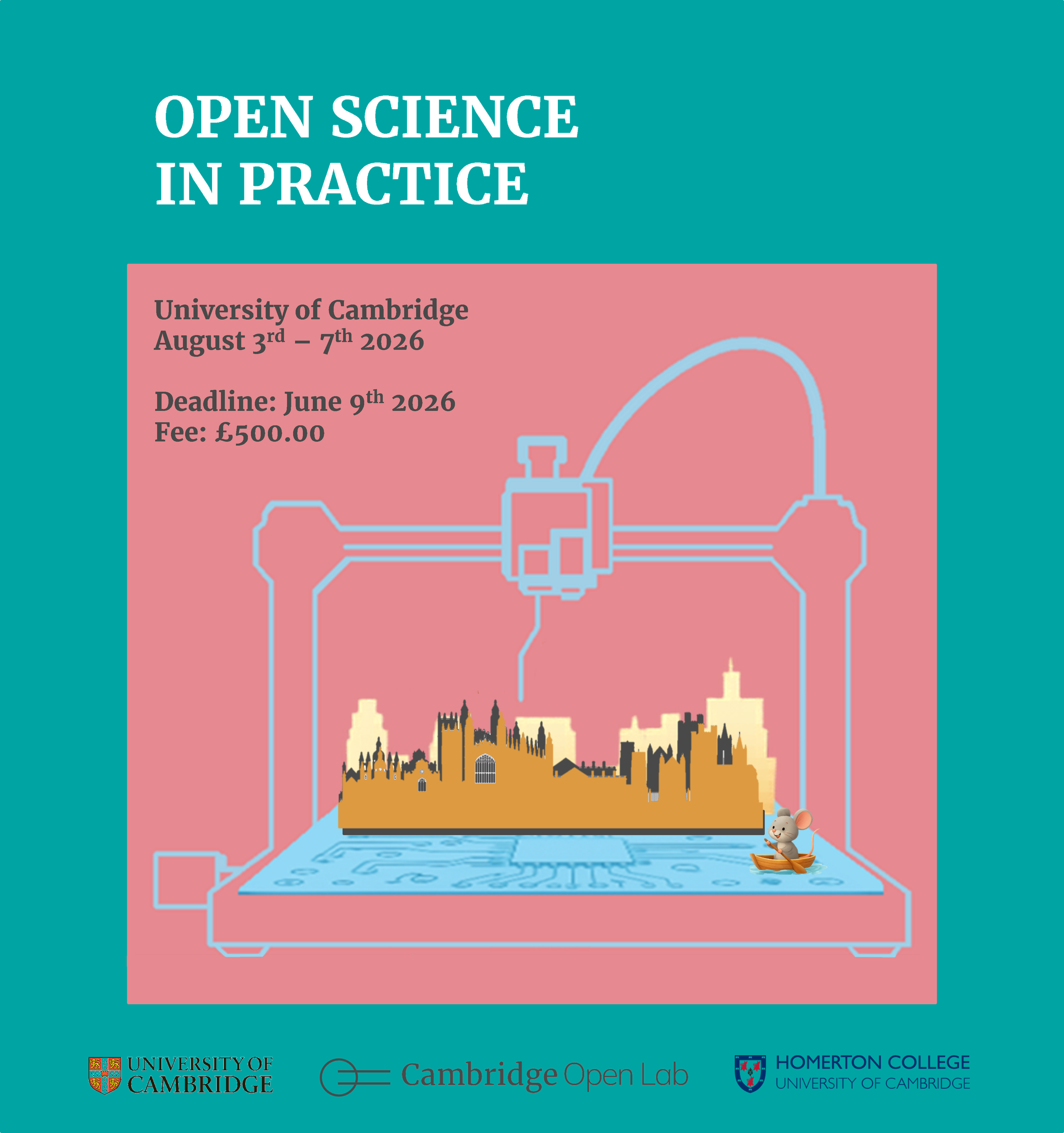
Mission
Our mission is to make open science concrete and accessible.
We aim to empower early-career researchers, particularly in neuroscience, to adopt transparent, reproducible, and collaborative research practices by combining conceptual discussions with hands-on training.
Based at Cambridge University involving research from several departments, including PDN, Clinical biochemistry as well as collaborators from all over the United Kingdom!
About the summer school
The Open Science in Practice Summer School is a 5-day immersive programme held in Cambridge (UK), bringing together students and early-career researchers interested in integrating open science into their daily work.
The summer school is designed for students and early-career researchers who want to explore and implement open science practices in their work.
While the content is broadly applicable across disciplines, the programme is oriented towards applciations in neuroscience, with hands-on workshops that will resonate especially with those working with experimental setups, behaviour tracking, and data analysis.
The course is divided in two parts:
Part 01 – Open Science Principles
The first two days focus on the foundations of open science, including why it matters, how it shapes research culture, and how to implement open and reproducible practices, from data sharing to open access publishing
Part 02 – Hands-on workhops
This is an opportunity for participants to gain practical experience in important experimental skills that can be applied to your research, such as:
– Basic electronics for building or improving experimental setups (e.g., closed-loop setups systems, sensors and much more!)
– 3D design and printing using open-source software (FreeCAD)
– Open-source software for behavioural analysis (e.g. DeepLabCut).
Important dates
12·May·2026
Open call for applications
09·JUN·2026
Application deadline
31·JUN·2026
Successful applicants will be notified
02·Aug·2026
Accomodation open for applicants
03·Aug·2026
Start of Open Science in Practice
07·AUG·2026
Farewell activity!
Join the Cambridge Open Lab as an organizer!
We invite interested PhD students and early career researchers, to apply for an opportunity to collaborate in this workshop!
For more details, please email us at cambridge.openlab@gmail.com
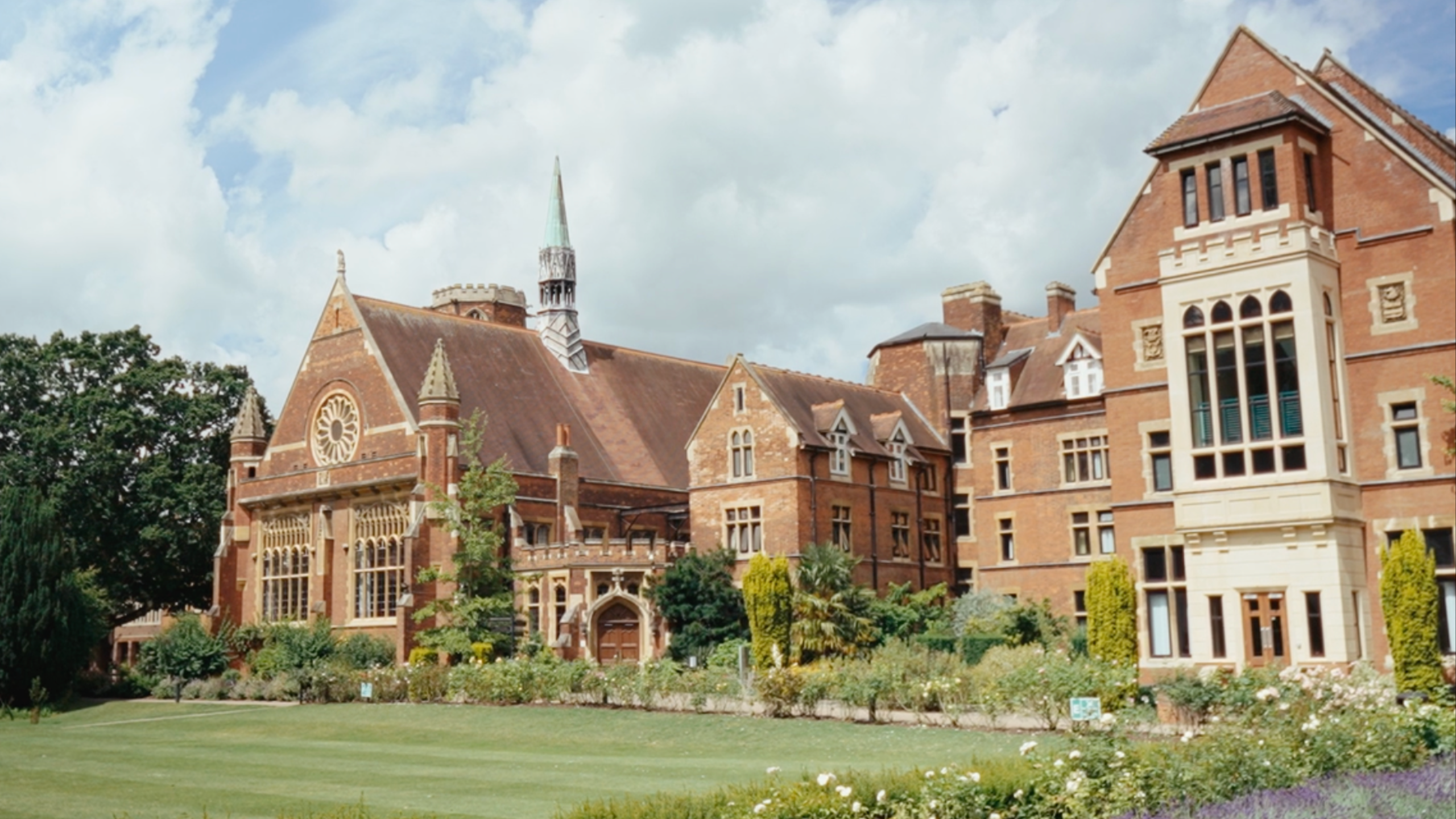
Homerton College
Acknowledgements
Cambridge Open Lab is supported by a mix of institutional funding, including Cambridge University and Hommerton College.
We’re open to collaboration!
Reaching Cambridge & Homerton College
Cambridge
The city of Cambridge is in the east of England, 50 miles north of London. It is well served by road and rail links, and is within easy distance of the major London airports.
The College
Homerton College is situated on Hills Road just outside the city centre between the main railway station and Addenbrookes Hospital. All visitors arriving at the College should report to the Porters’ Lodge, located in the Mary Allan Building.
Directions
By road
from London: Follow directions to Cambridge along the M11. At Junction 11 take the A1309 into Cambridge. At the second set of major traffic lights, ignoring all pedestrian lights, keep in the right-hand lane and turn right into Long Road (signposted to Addenbrooke’s Hospital). Continue to next main crossroads. Turn left into Hills Road and Homerton College is approximately half a mile on the left-hand side.
from the North: Follow directions to the A1 south and follow the A1 and A1(M) until it joins the A14. Take the A14 as far as the M11, and then take the M11 to Junction 11 and follow the A1309 into Cambridge. At the second set of major traffic lights, ignoring all pedestrian lights, keep in the right hand lane and turn right into Long Road (signposted to Addenbrooke’s Hospital). Continue to next main crossroads. Turn left into Hills Road and Homerton College is approximately half a mile on the left-hand side.
By train
Homerton College is conveniently located for travel by train – it is only a 15 minute walk from Cambridge’s main station. There are regular trains to London King’s Cross (approximate journey time 50 minutes) and London Liverpool Street (approximate journey time 1 hour 15 minutes). There are also good connections from Peterborough, Birmingham, Manchester and Edinburgh. National Rail Enquiries website.
By Air
The airport closest to Cambridge is Stansted, from where there are good train and taxi connections to Cambridge.
Cambridge Open Lab Team
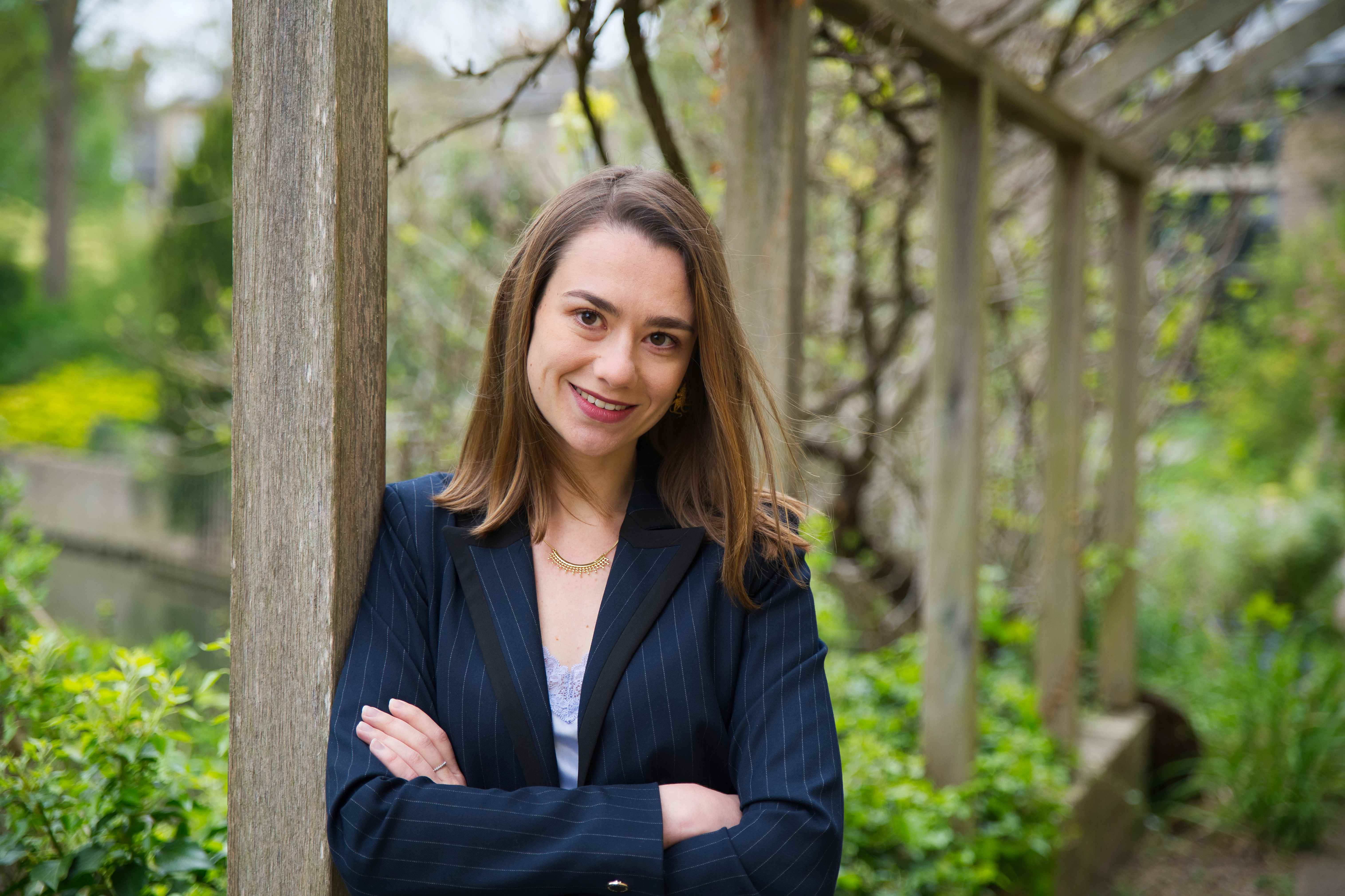
Dr. Chloe Guillaume
Coordinator
Chloé completed her PhD in neuroscience in January 2023. She became a strong advocate for open science after it quite literally rescued her research project during the early years of her postdoc (and, as she likes to put it, helped her keep her sanity along the way).
In 2024, she founded the Cambridge Open Lab after a memorable meeting with members of the Nencki Open Lab in a convent in the Dolomites. A long story, but a true one.
Her research focuses on the neural processes underlying olfaction, which she will happily tell you is the most fascinating of the five senses. When she’s not in the lab or teaching, she is usually travelling, camera in hand.
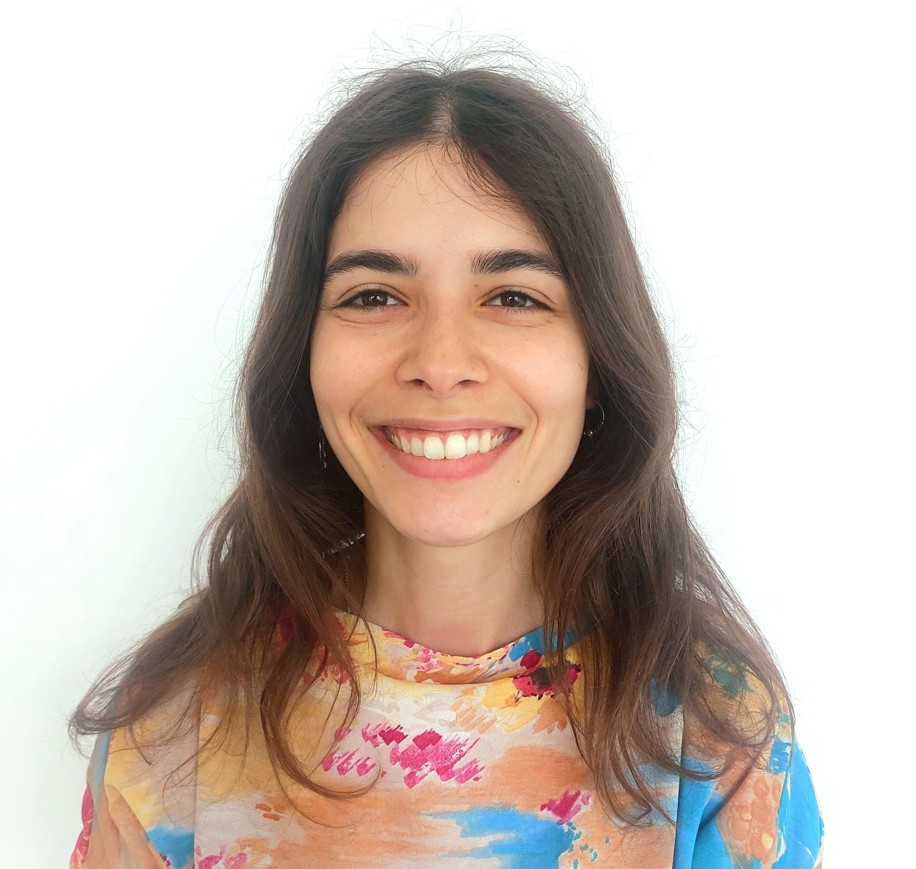
Daniela Duarte-Domingues
Teaching Assistant
All the way from Portugal! A bioengineer by training, Daniela fell in love with neuroscience at King’s College London, and later at the Karolinska in Stockholm, where she completed her master’s thesis on memory in mice.
She worked at Champalimaud Research and at the DZNE before going to the Paris Brain Institute to start her PhD on pre-clinical psychedelic research. She is now in her last year of giving LSD to mice! She is a strong advocate for science communication and open science, having contributed to the development of an automated home-cage behavioural system for her mice during her PhD.
When she’s not in the lab, she’s probably trying out a new hobby or dancing in the forest with her old and new friends.

Dr. Luis Cóbar
Teaching Assistant
Luis has plenty of experience troubleshooting and building custom-made devices and pieces for a diverse set of behavioural experiments, making use of both electrophysiology and optic tools.
Currently working on making more custom-made assemblies and analysis pipelines to integrate neuroscience and metabolic/endocrine research.
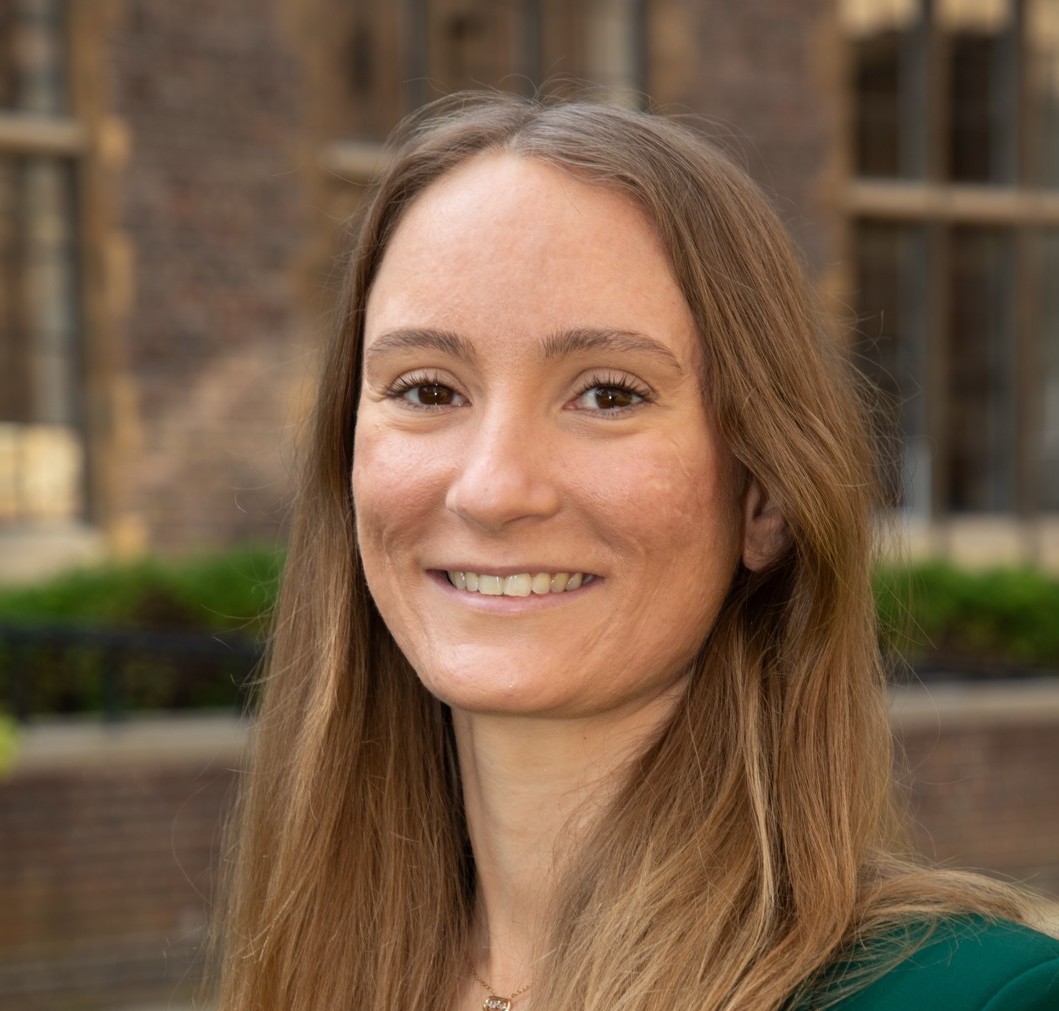
Dr. Celia Laurent
Coordinator
Célia defended her PhD in neuroscience in 2025 and has been a postdoctoral researcher in Cambridge ever since. Her research focuses on spatial navigation, more specifically, how the brain integrates sensory signals from the body and the environment to support orientation and behaviour. She will happily spend hours designing behavioural tasks and analysing how animals move through the world.
She first wanted to attend an open science summer school herself, and quickly decided that organising one was even better: a way to bring the experience to others while meeting researchers and curious minds drawn to open science
When she’s not in the lab, you’ll find her at the climbing wall, or heading to the sea whenever the opportunity arises.

Dr. Li Shi Wen
Teaching Assistant
TBA
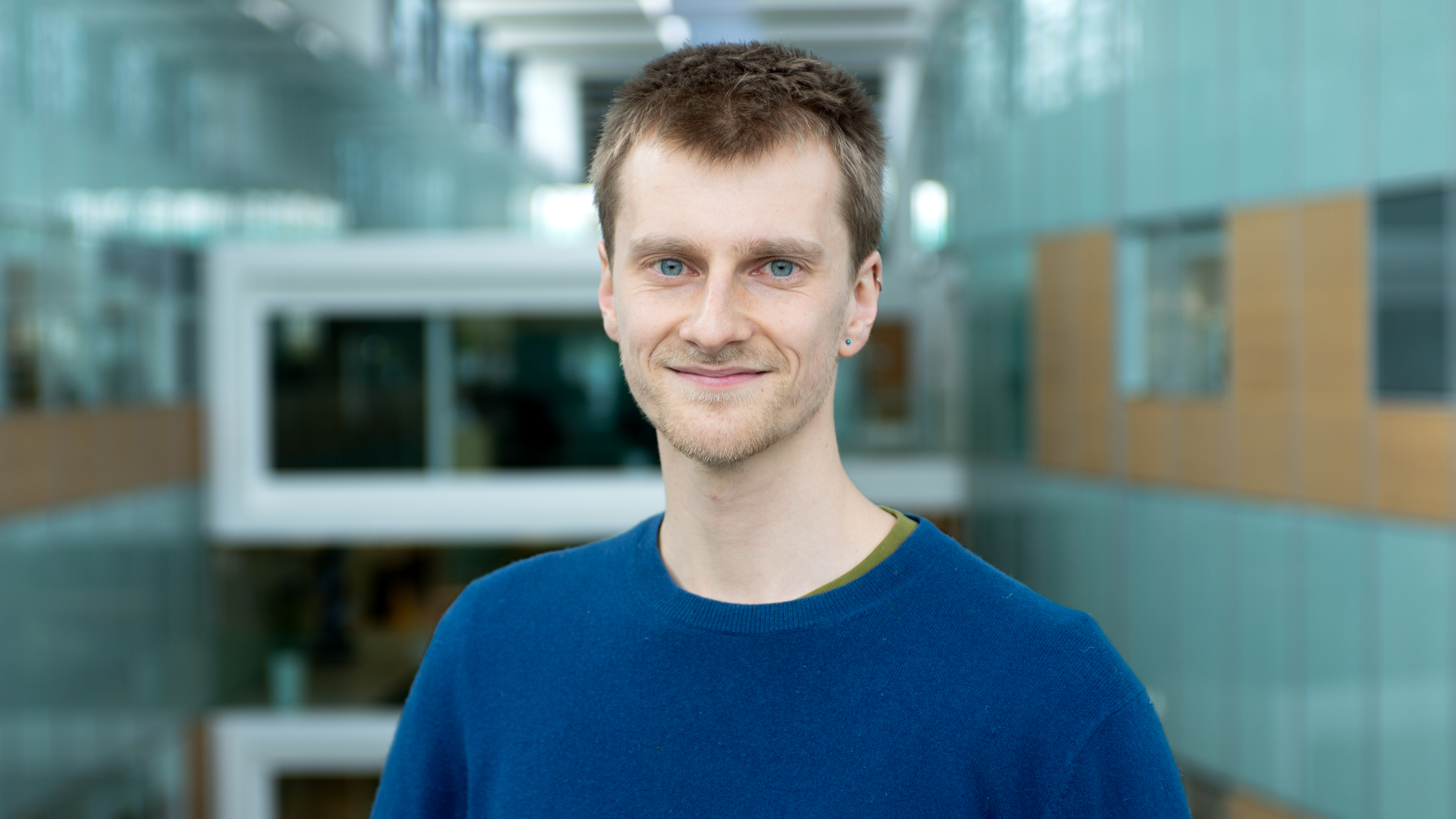
Stefan Rogers-Coltman
Teaching Assistant
Stefan Rogers-Coltman completed his PhD in systems neuroscience at the MRC Laboratory of Molecular Biology, where he studied the neural circuits underlying spatial decision-making in freely moving mice.
A large part of his research has involved designing and building the experimental systems needed to answer these questions. His work spans behavioural rig design, electronics, embedded systems, high-speed video acquisition, data analysis, and the integration and synchronisation of hardware and software. He is particularly interested in making experimental tools more accessible, reproducible, and adaptable through open-source approaches.
At the Cambridge Open Lab Summer School, Stefan supports the teaching assistants during the hands-on workshops, helping participants work through practical challenges in electronics, experimental systems, and open-source research tools.
Outside the lab, he can often be found repairing and maintaining boats, building things, or disappearing into another technical project.
Funding & Partners
This summer school is developed in collaboration with the Nencki Open Lab, which shares our commitment to transparency, accessibility, and innovation in research.
Through this collaboration, we aim to foster an international network of researchers and practitioners working toward more open and reproducible neuroscience.
We are also grateful for the support of the Research Culture Committee at the University of Cambridge and Homerton College, Cambridge, whose contributions help make this programme possible
F.A.Q.
Who should attend this event?
The programme is primarily aimed at Master’s students, PhD candidates, and postdoctoral researchers, especially those working in or around neuroscience.
Do I need prior coding experience?
No prior experience is required. The workshops are designed to accommodate beginners, while still offering value to participants with more advanced skills
What kind of topics will be covered?
Topics include open science principles, open access publishing, reproducible research practices, basic electronics, 3D design and printing, and open-source tools such as DeepLabCut.
What is included in the fee?
The £500 fee covers accommodation on site at Homerton College, as well as breakfast, lunch, and dinner throughout the programme. Travel costs to and from Cambridge are the only expenses not covered by the fee and remain at the participants’ own expense.
Will accomodation be provided? What else is included?
Yes!! Succesful applicants will be hosted on site in the lovely Homerton College campus at Cambridge University.
Furtthermore, breakfast, lunch and dinner will be provided!
Is financial support available??
A limited number of bursaries are available for applicants for whom the fee would be a determining factor in attending. Up to 5 participants may receive a bursary of £200.00 (approximately €231.00) to offset the cost of the programme. Applications are assessed based on financial need and motivation to participate in the summer school
How many participants will be accepted?
The summer school is designed for a small cohort of 20 to 25 participants. This intentionally limited group size allows for deeper learning during the practical workshops and encourages meaningful exchanges among all members of the group. As the programme is conducted entirely in English, participants are expected to have a sufficient level of English to follow the sessions and engage in discussions.
How are participants selected?
Participants are selected based on their motivation, research background, and interest in open science, with the aim of creating a diverse and engaged group.
Will I receive a certificate of participation?
Yes, a certificate of participation will be issued to all participants who complete the programme.

